How to Select the Right General Contractor for Your Home Renovation Project
Selecting the ideal construction professional is essential for a smooth home renovation. Property owners must assess various factors, including experience, qualifications, and communication skills. A carefully considered decision can avoid expensive errors and ensure a smoother process. However, navigating through the selection process can be overwhelming. Which particular factors should one keep in mind? Which questions are most important during preliminary meetings? Understanding these elements can profoundly affect the remodeling journey.
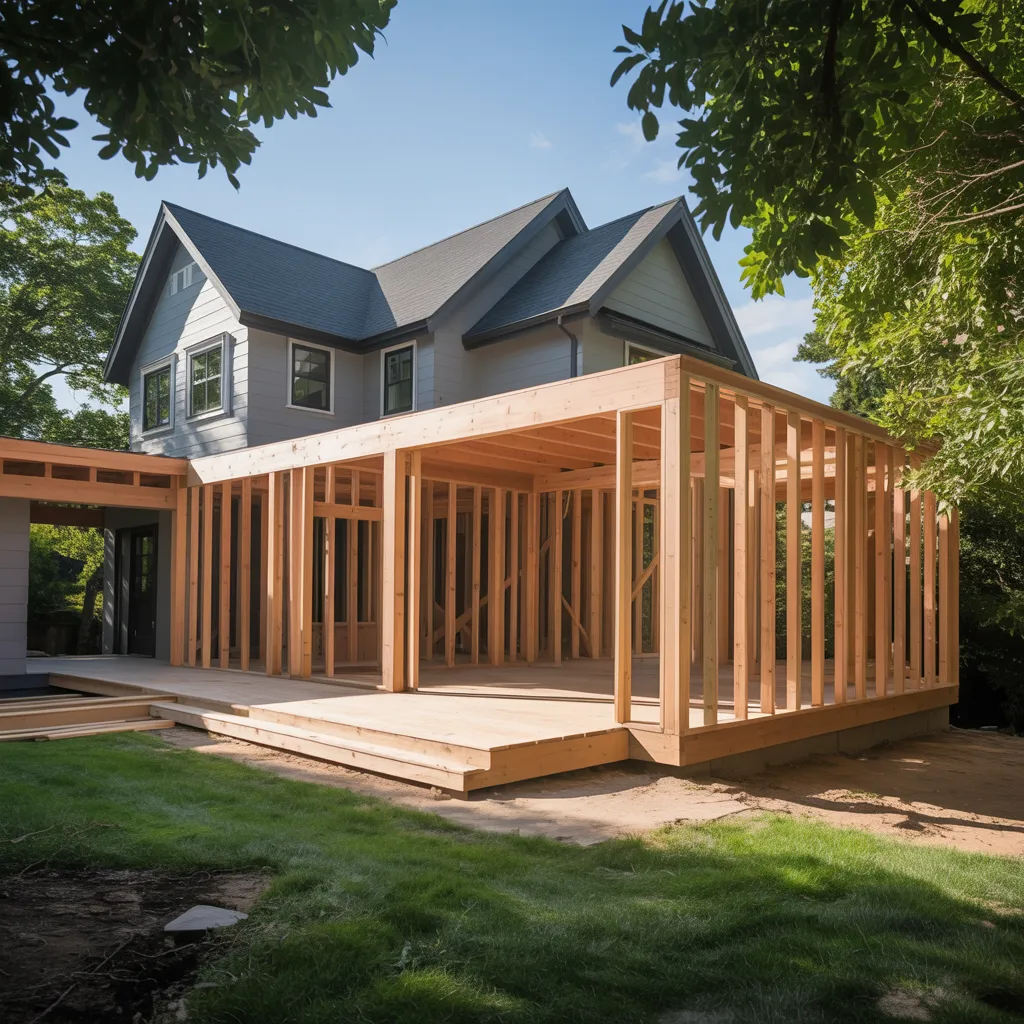
What Experience Should You Look For in a Contractor?
When choosing a home renovation contractor for home renovation, it is crucial to evaluate their experience in the field. A contractor's track record can greatly influence the quality and efficiency of the renovation process. First, potential clients should seek contractors with a strong record in comparable projects, confirming experience with specific challenges and solutions.
Additionally, a contractor's years of experience can reveal a contractor's capability to handle timelines, subcontractors, and budgets successfully. It is equally important to ask about their portfolio, demonstrating completed work that reflects the homeowner's expectations.
Furthermore, contractors experienced in regional building codes and guidelines can assist in preventing potential legal problems. Finally, a contractor's capability to offer references from past clients can offer insight into their reliability and professionalism. By thoughtfully considering these criteria, homeowners can form a well-informed choice when choosing a general contractor for their remodeling project.
How to Confirm a Contractor's Credentials and References
What steps can homeowners take to ensure they are hiring a qualified contractor? Confirming a contractor's credentials and references is absolutely necessary. Homeowners are advised to begin by checking for valid licensing and insurance, making sure the contractor adheres to local requirements. This can typically be done through state or local licensing boards. Moreover, ensuring the contractor holds liability insurance and worker's compensation coverage safeguards homeowners against potential liabilities.
Next, homeowners should seek references from past clients. A reputable contractor should present a list of up-to-date projects, including contact information. Communicating with previous clients can offer important insights about the contractor's commitment, communication skills, and respect for timelines.
Customer reviews and ratings available on platforms like Angie's List and Yelp can offer additional insight. By conducting thorough research and gathering multiple perspectives, homeowners are able to reach a well-informed choice, improving the chances of a successful remodeling project.
What Should You Ask at the Initial Consultation?
Once confirming a contractor's qualifications and referrals, homeowners should plan ahead for the initial meeting by developing specific queries. Key inquiries should concentrate on the contractor's experience with similar projects, including timelines and potential challenges. Homeowners should additionally inquire about the contractor's method of project coordination and updates, confirming they will have access to regular updates throughout the renovation.
Furthermore, exploring the contractor's preferred subcontractors can shed light on the standard of craftsmanship expected. It is important to seek information on the permits needed and how the contractor handles inspections. Homeowners are encouraged to seek clarification on the payment schedule and any advance payments involved. Grasping the contractor's guarantee terms and how they handle arising problems post-completion is vital as well. By posing these focused questions, homeowners can gauge whether the contractor matches their goals and requirements for the renovation project.
How to Properly Break Down Project Estimates and Contracts
Analyzing project estimates and contracts is vital for homeowners to comprehend the financial details of their home improvement. Key components such as materials, labor, and deadlines play a significant role in the overall cost. Moreover, reviewing agreement details guarantees that every party shares a clear understanding of responsibilities and requirements.
Primary Estimate Factors
Grasping the fundamental parts of project estimates is important for property owners starting on renovations. A thorough estimate commonly features labor costs, material expenses, and operational charges. Labor expenses account for the compensation for qualified professionals, which can fluctuate based on experience and project complexity. Materials pricing should outline quantities and quality, allowing homeowners to evaluate overall worth and longevity. Overhead costs, including licensing and insurance, clarify the operational expenses of the contractor. Additionally, emergency funds are commonly factored in to address unforeseen costs, ensuring a smoother renovation process. Homeowners should also pay attention to a transparent timeline and payment schedule to define project expectations. Breaking down these elements enables property owners reach well-informed decisions and fosters open communication with their chosen contractor.
Contract Terms Clarified
A clear understanding of contract terms is crucial for homeowners managing renovation projects. Contracts commonly specify the scope of work, payment schedules, and timelines, making certain all parties remain in agreement. Homeowners should carefully review the itemized estimates, which break down costs for materials, labor, and permits, ensuring clarity. Key terms to consider include change orders, which explain how project changes will be managed and billed. Additionally, homeowners should be aware of warranty terms, which provide coverage for deficiencies in workmanship or materials. Comprehending these aspects enables homeowners to make well-informed choices and helps prevent misunderstandings or disputes during the renovation process, resulting in a more seamless project experience. A solid understanding of contract terms is key to a productive working relationship with contractors.
Appreciating the Role of Communication Style With Your Contractor?
How well a homeowner communicates with their general contractor can considerably affect the outcome of a remodeling project. A transparent communication method encourages mutual understanding and guarantees that all parties agree on expectations, timelines, and budgets. Homeowners need to consider how contractors communicate updates, whether via emails, in-person meetings, or progress reports.
A specialist who pays close attention and responds thoughtfully can help alleviate concerns and handle challenges in a timely manner. Moreover, it is critical for homeowners to feel comfortable communicating their suggestions and concerns. An open dialogue enables teamwork, which can lead to more effective solutions and creative approaches.
When considering possible contractors, homeowners should reflect on how well they can engage in constructive conversations. This compatibility in communication styles can greatly enhance the complete renovation process, guaranteeing that the project advances without issues and aligns with the homeowner's expectations. In the end, strong communication builds the basis for a successful partnership.
What Red Flags Show That a Contractor May Not Be Right for You?
Recognizing likely red flags in a contractor is vital for a satisfactory renovation. Vague communication methods and a absence of proper credentials can indicate serious concerns that may impact the project. Home improvement clients should be watchful to ensure they choose a trustworthy contractor for their project requirements.
Vague Communication Practices
Effective communication serves as the cornerstone of any successful home renovation project. While assessing a general contractor, poor communication habits frequently indicate underlying problems. Common red flags involve inconsistent information, unclear replies to requests, and trouble coordinating appointments. If a contractor frequently misunderstands project requirements or fails to provide updates, it raises concerns about their commitment and reliability. Additionally, a lack of transparency regarding timelines, costs, and processes can indicate disorganization or unprofessionalism. Contractors should be willing to clarify details and address concerns promptly. A contractor that evades straightforward dialogue or disregards inquiries likely does not important resource place the homeowner's needs first, putting the project's outcome at risk. Transparent communication is fundamental to fostering trust and securing a successful renovation outcome.
Lack of Proper Licensing
Effective communication is vital when building an effective partnership with a general contractor, but it is just as important to ensure that the contractor has the proper qualifications. The absence of proper licensing serves as a significant red flag when assessing potential contractors. Certified professionals are typically required to comply with specific state regulations, ensuring that they possess the expertise and knowledge necessary to complete renovation projects competently and safely. Homeowners should always verify a contractor's license through official local authorities or online databases. Moreover, hesitation in providing licensing information or insurance documentation may suggest a lack of professionalism. Verifying that a contractor holds proper licensing not only safeguards the homeowner but also promotes the overall success of the renovation project.
Common Questions and Answers
How Can I Tell if a Contractor Is Insured?
To verify whether a contractor is properly insured, it is advisable to request insurance verification, including liability and workers' compensation coverage. Reviewing this documentation ensures that the contractor is financially responsible for possible damages or unforeseen accidents.
What Should I Do When a Contractor Misses Deadlines?
Should a contractor overlook scheduled deadlines, the homeowner should communicate concerns directly, review the contract for stipulations, and keep thorough documentation of any delays. Looking for a resolution via discussion or professional mediation can aid in defining expectations and sustaining project momentum.
How Do I Resolve Disputes With My Contractor?
To handle disputes with a contractor, it is advisable to maintain documentation of all interactions, clearly express concerns, and seek resolution through dialogue. Should the matter remain unresolved, look into mediation or consult a legal professional to safeguard your rights and interests.
What Specific Permits Are Required for My Renovation?
The permits required for renovations are determined by local regulations and project scope. In most cases, building, electrical, plumbing, or zoning permits will be necessary. Speaking with local authorities confirms compliance and helps circumvent possible legal challenges during renovation.
What Steps Can I Take to Protect My Home Throughout Renovations?
To protect a home during renovations, homeowners should cover floors, seal off work areas, guarantee proper ventilation, protect valuable belongings, and keep open lines of communication with contractors about protective measures and scheduling to reduce interruptions.